
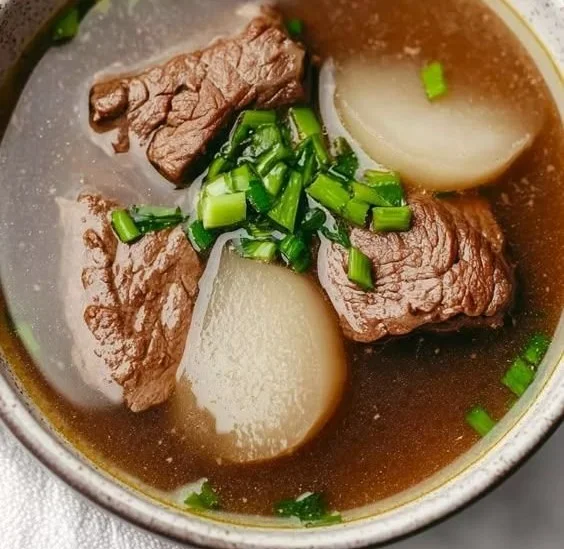
Korean Winter Soup is a hearty, warming broth-based dish made with savory stock, seasonal vegetables, and tender protein – perfect for cold nights and cozy family meals. Korean Winter Soup is a combination of comforting flavors, easy techniques, and pantry-friendly ingredients that deliver big taste with minimal fuss. This Korean Winter Soup layers aromatics, umami-rich broth, and a touch of spice to create a bowl that soothes and satisfies. Whether you’re cooking for one or feeding a crowd, this Korean Winter Soup comes together in straightforward steps that highlight traditional flavors in a simple home-cook method.
Quick note: If you like bold Korean flavors with ground beef, try this 1lb Korean Ground Beef Bowl for a fast weeknight companion to this soup.
Table of Contents
What Makes This Recipe So Special
- Deep, savory broth from simple ingredients – no complicated stock required.
- Flexible protein options – beef, tofu, seafood, or leftover roast work well.
- A balance of comforting texture and bright aromatics that warms you from the inside out.
- Family-friendly and easy to scale for dinner parties or batch cooking.
Ingredients
- 6 cups beef or vegetable stock
- 1 lb protein of choice (thinly sliced beef, tofu, or seafood)
- 1 medium onion, thinly sliced
- 3 cloves garlic, minced
- 1-inch piece ginger, sliced
- 2 carrots, diagonally sliced
- 1 small zucchini, sliced
- 4 oz mushrooms, sliced
- 1-2 scallions, sliced
- 2 tbsp soy sauce
- 1 tbsp gochujang or 1 tsp gochugaru (optional – adds heat)
- 1 tbsp sesame oil
- Salt and black pepper to taste
- Cooked rice or rice noodles, for serving
Equipment
- Large soup pot or Dutch oven
- Chef’s knife and cutting board
- Wooden spoon or ladle
- Measuring cups and spoons
Prepare Ingredients
Chop: Slice the onion, carrots, zucchini, mushrooms, and scallions. Mince the garlic and slice the ginger. Have your protein portioned and ready.
Sear the Protein
Heat: Add sesame oil to the pot over medium-high heat.
Sear: Add protein and brown briefly – remove and set aside to avoid overcooking.
Sauté Aromatics
Cook: Lower heat to medium. Add a little more oil if needed and sauté onion, garlic, and ginger until fragrant and softened – about 3-4 minutes.
Build the Broth
Add: Pour in the stock and bring to a gentle simmer. Stir in soy sauce and gochujang or gochugaru if using. Skim any foam or impurities.
Add Vegetables
Simmer: Add carrots and mushrooms first – simmer for 5 minutes, then add zucchini. Continue to simmer until vegetables are tender, about 6-8 minutes more.
Finish with Protein
Return: Add the seared protein back into the pot and heat through – 2-3 minutes for thinly sliced beef, slightly longer for tofu or seafood as needed. Adjust salt and pepper.
Brighten and Serve
Stir: Add scallions and a final drizzle of sesame oil. Taste and adjust seasoning. Serve hot over cooked rice or rice noodles.
Garnish and Enjoy
Garnish: Top with extra scallions, a sprinkle of toasted sesame seeds, or a squeeze of lime for brightness. Dive in and warm up.
Tips for Success
- Use a good-quality stock for the best flavor – homemade or store-bought both work.
- For richer umami, add a small piece of dried kelp or a splash of fish sauce while simmering.
- If you prefer a spicier bowl, increase gochujang or add a pinch of gochugaru.
- To bulk the meal, add more vegetables or leftover cooked grains.
- For inspiration on hearty pairings, you might enjoy this Cheesy Beef and Potato Soup as an alternate comfort option.
Serving Suggestions
- Ladle the soup over steamed rice for a filling single-bowl meal.
- Serve with kimchi, pickled vegetables, or simple steamed greens on the side.
- Add a soft-boiled egg or extra scallions for color and texture.
- This Korean Winter Soup also pairs well with a crisp vegetable pancake or simple steamed buns.
Storage
- Refrigerate leftovers in an airtight container for up to 3 days.
- Reheat gently on the stovetop over low heat to avoid breaking down delicate proteins.
- For longer storage, freeze the soup (without rice) for up to 2 months – thaw overnight in the fridge before reheating.
Nutrition (approximate per serving)
- Calories: varies by protein choice and serving size
- Protein: moderate to high, depending on protein used
- Sodium: depends on stock and added soy sauce – adjust to taste
Safety
- Ensure seafood is cooked to an internal temperature of 145°F when used.
- Reheat leftovers to at least 165°F before serving.
- Store perishable ingredients promptly and discard after the recommended storage times.
FAQs
Can I make this soup vegetarian?
Yes – use vegetable stock, tofu, and omit fish sauces or anchovy-based condiments.
How long will the soup keep?
Up to 3 days refrigerated; up to 2 months frozen (without rice).
Can I make this in a slow cooker?
Yes – sauté aromatics first, then transfer to slow cooker and cook on low for 4-6 hours, adding delicate vegetables and protein toward the end.
Conclusion
This Korean Winter Soup is a winner because it combines simple steps with satisfying, layered flavors – a real comfort food staple for chilly days. It’s easy to customize for whatever you have on hand, delivers warm nourishment, and makes great leftovers. If you tried this recipe, please leave a comment and a star rating to let others know how it turned out.
Share the love on Pinterest or Facebook so friends can warm up with this bowl too. For more seasonal inspiration and similar comforting recipes, check out 6 Best Korean Soup Recipes for Winter!
Korean Winter Soup
Ingredients
Method
- Chop: Slice the onion, carrots, zucchini, mushrooms, and scallions. Mince the garlic and slice the ginger. Have your protein portioned and ready.
- Add sesame oil to the pot over medium-high heat.
- Add protein and brown briefly—remove and set aside to avoid overcooking.
- Lower heat to medium. Add a little more oil if needed and sauté onion, garlic, and ginger until fragrant and softened—about 3-4 minutes.
- Pour in the stock and bring to a gentle simmer.
- Stir in soy sauce and gochujang or gochugaru if using. Skim any foam or impurities.
- Add carrots and mushrooms first—simmer for 5 minutes, then add zucchini. Continue to simmer until vegetables are tender, about 6-8 minutes more.
- Add the seared protein back into the pot and heat through—2-3 minutes for thinly sliced beef, slightly longer for tofu or seafood as needed. Adjust salt and pepper.
- Add scallions and a final drizzle of sesame oil. Taste and adjust seasoning. Serve hot over cooked rice or rice noodles.
- Top with extra scallions, a sprinkle of toasted sesame seeds, or a squeeze of lime for brightness. Dive in and warm up.