
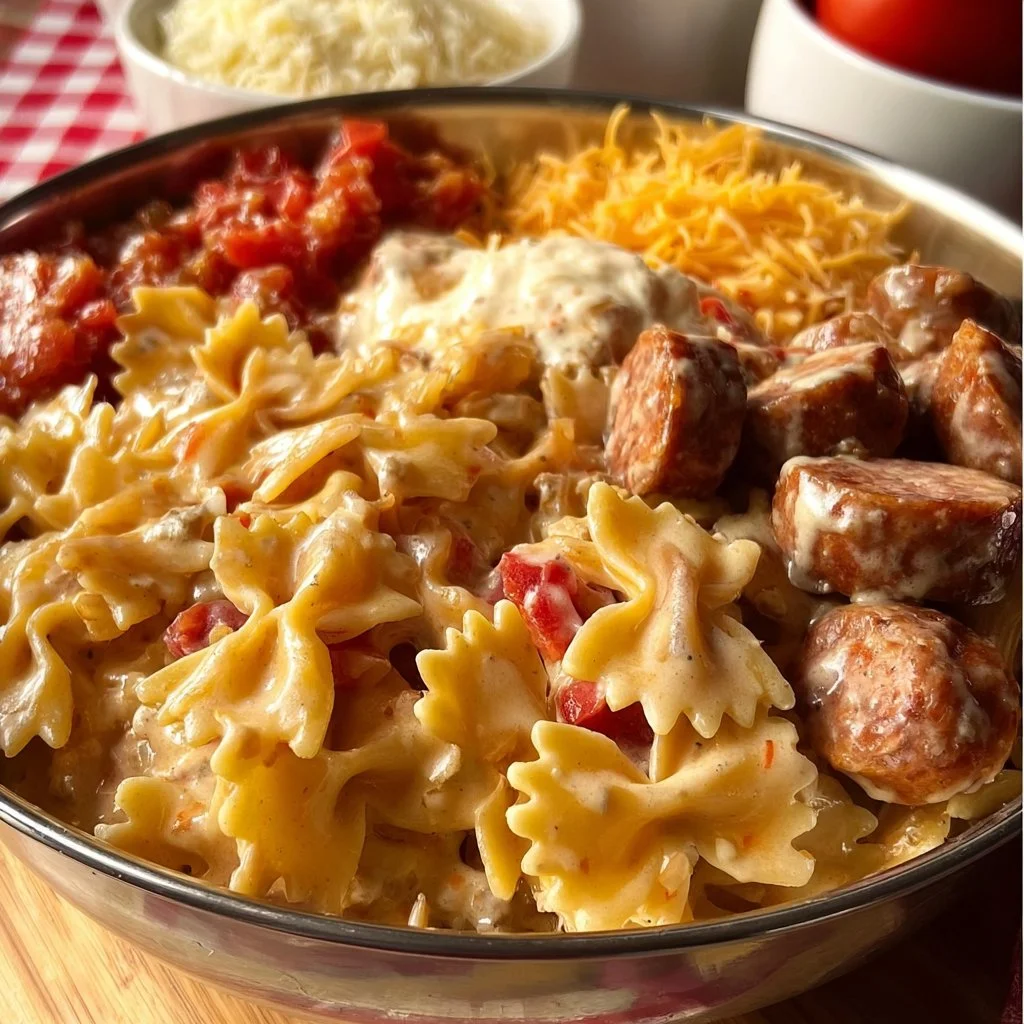
Creamy Pasta is a rich, velvety pasta dish made with a silky cream sauce, cheese, garlic, and simple pantry ingredients that come together quickly for comforting weeknight meals. Creamy Pasta brings together simple techniques and bold flavors to create something that feels indulgent without being fussy.
If you want a fast, satisfying recipe that becomes a family favorite, this Creamy Pasta delivers. Follow the steps below and you will see why this Creamy Pasta is so loved.
This post breaks the recipe into clear pieces – why it works, what you need, step-by-step cooking, smart tips, serving ideas, storage, nutrition, safety, and common questions. It’s written to be friendly and approachable for cooks of all levels. I also include two related recipes you might enjoy as inspiration while you make this version.
Table of Contents
What Makes This Recipe So Special
Why does this version of the recipe stand out? The balance of fat, heat, and timing is the key. A quick reduction of cream with garlic and Parmesan creates a smooth sauce that clings to every noodle. Using starchy pasta water to finish the sauce gives a glossy, clingy texture without extra butter. Gentle seasoning and a short simmer ensures the dairy does not split – and that’s the secret to restaurant-style results at home.
This section also points out small choices that matter:
- Choosing a pasta with crevices – like penne, fusilli, or rigatoni – helps hold the sauce better.
- Grating fresh Parmesan delivers superior melt and flavor compared to pre-grated varieties.
- A hot skillet and moderate heat keep the cream from breaking while reducing.
For a protein boost or weeknight dinner upgrade, try pairing this with a simple pan-seared chicken or toss in sautéed mushrooms and spinach. You can also check this helpful variation for a garlicky chicken twist: creamy garlic parmesan chicken pasta.
Ingredients
Makes about 4 servings. Keep measurements exact for best results.
- 12 ounces pasta (penne, rigatoni, or fusilli recommended)
- 2 tablespoons unsalted butter
- 2 tablespoons olive oil
- 4 cloves garlic, finely minced
- 1 cup heavy cream
- 1/2 cup whole milk
- 1 cup freshly grated Parmesan cheese
- 1/2 teaspoon salt, plus more to taste
- 1/4 teaspoon freshly ground black pepper
- 1/8 teaspoon crushed red pepper flakes – optional
- 1/4 cup reserved pasta cooking water
- 2 tablespoons chopped fresh parsley for garnish
Note: Keep the pasta water measure flexible – you may need a little more or less to get the right sauce texture. If you want a tomato touch, this recipe works well with ripe cherry tomatoes or a hint of tomato paste; for an example tomato-forward recipe see creamy tomato garlic pasta recipe.
Equipment
- Large pot for boiling pasta
- Large skillet or sauté pan with lid
- Measuring cups and spoons
- Wooden spoon or silicone spatula
- Box grater for fresh Parmesan
- Colander
Timing Overview
- Prep time – 10 minutes
- Cook time – 12 minutes
- Total time – 22 minutes
Steps
Counted here are the main action steps to make the dish.
Cook the pasta
- Bring water to a rolling boil in a large pot; add 1 tablespoon salt per 4 quarts of water.
- Add pasta and cook until 1 to 2 minutes shy of package al dente – usually 8 to 10 minutes depending on shape. Reserve 1/2 cup pasta cooking water and then drain, keeping the pasta slightly undercooked so it finishes in the sauce.
Sauté the aromatics
- Heat butter and oil over medium heat in a large skillet.
- Add garlic and cook for about 30 to 45 seconds until fragrant – do not let it brown.
Build the cream base
- Pour in cream and milk and bring to a gentle simmer. Stir frequently and let reduce for about 2 to 3 minutes so it thickens slightly.
- Season with salt, pepper, and red pepper flakes if using.
Add cheese and emulsify
- Lower the heat to medium-low and whisk in the Parmesan a handful at a time. This prevents clumping and creates a smooth texture. Keep the sauce just below a boil.
Combine pasta and sauce
- Add the drained pasta to the skillet and toss to coat.
- Add reserved pasta water a tablespoon at a time while tossing until the sauce reaches a silky, clingy consistency.
Finish and garnish
- Taste and adjust seasoning. If the sauce is too thick, add a touch more pasta water.
- Turn off the heat and stir in fresh parsley. Serve immediately.
Pro Tips and Troubleshooting
- If the sauce looks grainy, it may have been overheated; remove from heat and whisk in a tablespoon of cold milk to bring it back together.
- Over-salted sauce? Stir in a peeled, quartered potato to absorb excess salt while simmering for a few minutes – then remove.
- For a lighter result, swap half the heavy cream for low-fat milk and increase the Parmesan slightly for flavor.
- Want a cheesier bite? Add 1/4 cup shredded fontina or asiago with the Parmesan.
- If your sauce is too thin, stir in an extra 1/4 cup grated cheese off heat to thicken.
Personal note: I learned this technique from a busy week when I had little time but wanted something comforting. Keeping the pasta a tad undercooked and finishing in the sauce changed everything for me – the noodles soak up flavor but remain perfectly textured.
Serving Suggestions
Serve hot with a simple side salad and crusty bread. Sprinkle additional Parmesan and a drizzle of good olive oil for finishing. You can also top with seared shrimp or crisp bacon for extra protein. For a seasonal twist, add roasted cherry tomatoes or wilted spinach.
Creamy Pasta is fantastic with a crisp white wine or a light-bodied red, depending on added proteins. Warm bowls, bright garnishes, and fresh cracked pepper make each serving feel special. (This is the middle-article duplication point for the focus keyword.)
Storage and Reheating
- Refrigerate leftovers in an airtight container for up to 3 days.
- To reheat – add a splash of milk or cream and warm over low heat while stirring to loosen the sauce. Microwave works too – add a tablespoon of milk and reheat in 30 second bursts, stirring between.
- Freezing is not recommended for best texture – dairy can separate when frozen and thawed.
Nutrition Snapshot
Approximate per serving (4 servings):
- Calories – 520 kcal
- Fat – 28 g
- Carbohydrates – 48 g
- Protein – 18 g
- Sodium – varies based on added salt and cheese
Adjust portions and ingredient swaps to meet dietary needs.
Food Safety
- Keep dairy refrigerated until use and do not allow cream or milk to sit at room temperature for extended periods.
- When reheating, bring the sauce to a gentle simmer to ensure safe serving temperature.
- Use pasteurized dairy products if serving to pregnant or immunocompromised individuals.
Frequently Asked Questions
Q: Can I make this dairy-free?
A: Yes – use a cashew cream or a commercial dairy-free cream substitute and nutritional yeast for “cheesy” flavor. Keep in mind texture will vary.
Q: Can I make this ahead?
A: Make the sauce and store separately from the pasta for up to 2 days. Reheat gently and combine before serving.
Q: What pasta shapes work best?
A: Short shapes like penne, rigatoni, fusilli, and shells hold this sauce well. Long pasta like fettuccine or linguine also works beautifully.
Conclusion
This Creamy Pasta recipe is a weeknight champion – it combines speed, impressive flavor, and a comforting creaminess that makes dinner feel special. The technique of finishing pasta in the sauce and using reserved pasta water yields a sauce that clings perfectly to every noodle and requires minimal fuss.
If you enjoyed the method here and want more quick variations, check out this curated list of recipes: 10 Creamy Pasta Recipes You Can Make in Under 30 Minutes. If you try this recipe, please leave a comment below and give it a star rating – and share on Pinterest or Facebook so friends can find it too. What extra ingredients did you add – mushrooms, chicken, or roasted tomatoes? Let us know below!
Creamy Pasta
Ingredients
Method
- Bring water to a rolling boil in a large pot; add 1 tablespoon of salt per 4 quarts of water.
- Add pasta and cook until 1 to 2 minutes shy of package al dente, usually 8 to 10 minutes depending on shape.
- Reserve 1/2 cup of pasta cooking water and then drain, keeping the pasta slightly undercooked.
- Heat butter and oil over medium heat in a large skillet.
- Add garlic and cook for about 30 to 45 seconds until fragrant; do not let it brown.
- Pour in cream and milk, then bring to a gentle simmer.
- Stir frequently and let reduce for about 2 to 3 minutes until it slightly thickens.
- Season with salt, pepper, and red pepper flakes if using.
- Lower the heat to medium-low and whisk in Parmesan a handful at a time to prevent clumping.
- Keep the sauce just below a boil.
- Add the drained pasta to the skillet and toss to coat.
- Add reserved pasta water a tablespoon at a time, tossing until the sauce reaches a silky, clingy consistency.
- Taste and adjust seasoning. If the sauce is too thick, add more pasta water.
- Turn off the heat, stir in fresh parsley, and serve immediately.